TOUCHING THE MATERIAL
TOUCHING THE MATERIAL
The hand, the mouse & robots.
In the context of architectural education, the world of images, geometry, and tools is paramount. EVERY object that surrounds us — be it a table, pencil, keyboard, window frame, staircase, bridge, or sculpture — was first imagined, drawn (measurements, proportions, construction plans, explanatory images, presentation sketches…), and then either handcrafted or machine-made using various tools.
PREAMBLE
Having worked at EPFL in several laboratories, I had the opportunity to experiment with a variety of tools, including robots, starting in 2023 when I joined the CReative Computational Lab (Prof. S. Parascho).
Between 2023 and 2014, as part of the Digital Culture in Architectural Design (Prof. B. Cache), I used the mouse to model projects with the parametric software Topsolid. Before that, following the closure of the Chair of Representation and Expression (Prof. A. Cantaforà), I taught the Color course (later called Stereotomy) from 2010 to 2014. This course primarily involved hands-on techniques with brushes and tools for stone carving (chisels, rifflers, rasps, etc.). In the following examples, one can observe the richness and diversity of expression that comes from using all of these tools, with the hope that architecture students continue to benefit from an education that remains sensitive to the material and in contact with it.
INTRODUCTION
Three thought-provoking quotes by architect Juhani Pallasmaa, “The Thinking Hand”, Actes Sud, 2013, Wiley, 2009 / “La main qui pense”, Actes Sud, 2013
“The learning of a skill does not primarily occur through discourse, but through sensory and bodily activity… Architectural problems are indeed far too complex and deeply existential to be solved by the mere strength of concept and reason.” p. 9
“The tool is an extension and specialization of the hand, whose capacities are thus enhanced… Tools are not innocent. They multiply our faculties; they direct our actions and thoughts. Architects who do not differentiate between charcoal, pencil, ink, and pen, on the one hand, and the computer mouse, on the other, completely misunderstand the fusion of the hand, the tool, and the mind.” p. 42
“I am particularly wary of the false precision and the apparent perfection of the digitized image, which contrasts with the natural imprecision and the intrinsic hesitation of the drawing… I insist, I am not against computers… I have argued that all students should first learn to work with their hands and to use their mental images before they can use the computer.” p.89
Excerpt from the article by architect M.-P. Zufferey, The Hand and the Mouse, EPFL, Flash Informatique, Summer Special, 2007, pages 45-47: https://archiveweb.epfl.ch/flashinformatique.epfl.ch/ (traduction par DeepL, révisée)
“Immaterial thought triumphs, the hand rebels… We are spirits, but we are first and foremost bodies, and it is with our bodies that we enter into life, that we touch the world before we see it; it is by touch first, and not by sight, that we experience what is hostile to us or not, it is the hand that establishes all bonds of friendship with the world, of things and people. Here, in front of the computer image, she feels excluded, and all the filters on offer are no consolation. And yet, the computer tries to hold on to the traditional pictorial world; it talks about portrait and landscape formats, it proposes artistic effects, it reintroduces the artist’s touch, it offers the possibility of adding dust, dirt and cracks, in other words, the charm of the patina of years, the passing of time, the material that touches us, and that’s what it’s all about…”
“And perhaps the hand is sometimes jealous of the mouse. And sometimes the mouse would like to have the freedom of the hand.”
The time has now come to reflect on the use of the new extension of the hand by robots, to find ways to collaborate with them, and with their complement, artificial intelligence.
ILLUSTRATIONS
Here is a selection of practical works carried out at EPFL by students and teaching staff.
A. The Hand and Robots / CRCL
One of the primary characteristics of robots is that they can move and manipulate tools either collaboratively or autonomously according to pre-programmed instructions: Drawing, movement, machining
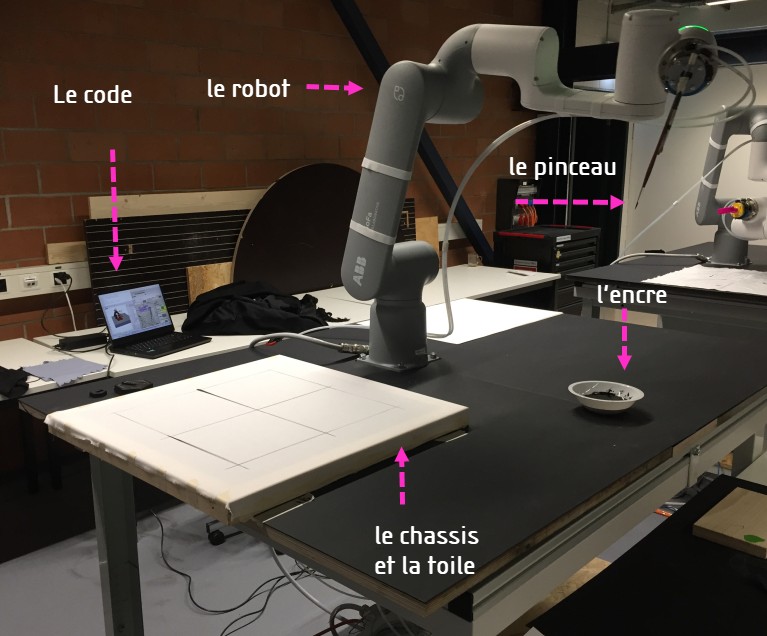
EXERCISE UE-L AR 508 – 2023, with Adam-Joseph Ghadi-Delgado. Drawing with Chinese ink on stretched fabric, inspired by Sol LeWitt, with a robot holding a paintbrush. Choice of path, speed, and pressure applied by the brush.

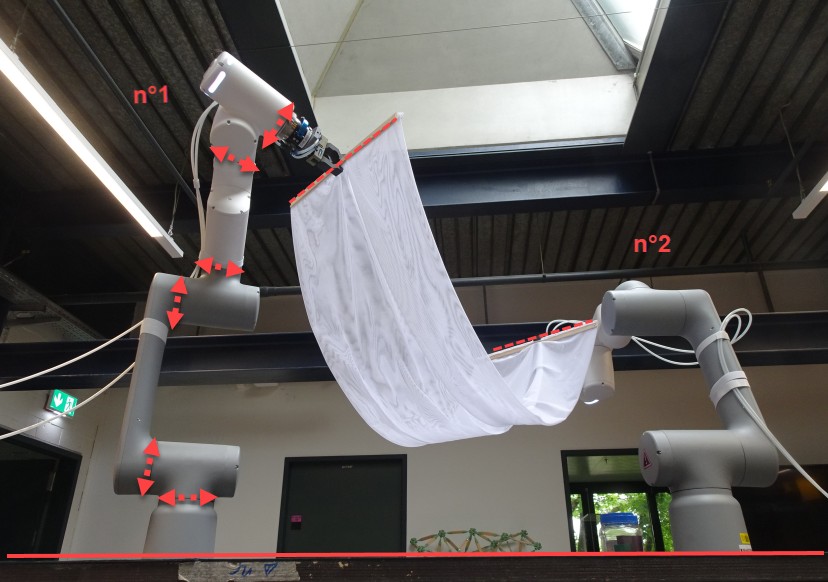
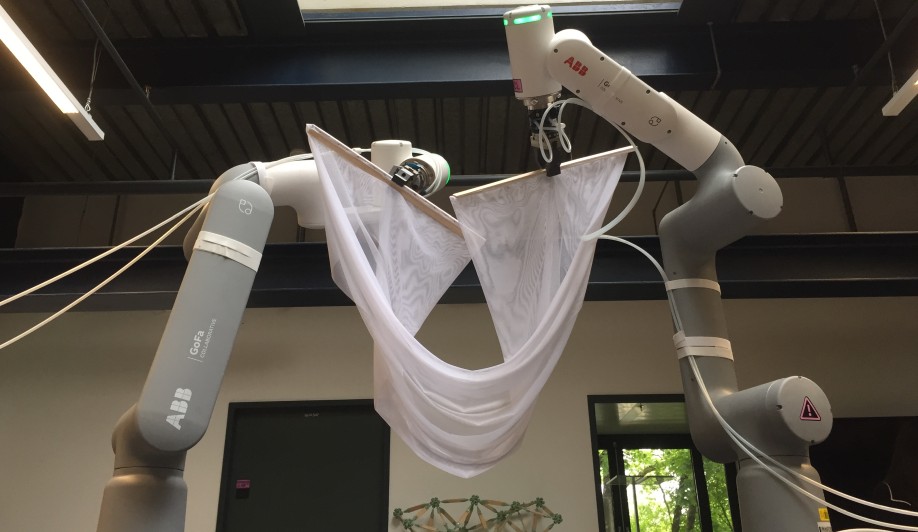
EXERCISE UE-L AR 508 – 2023, with Adam-Joseph Ghadi-Delgado and Juhee Oh. Choreography with two robots, manipulating a flexible textile held between the robots to create variations in folds and drapes. Modeling the paths of the two robots (avoiding collisions), choice of speed.
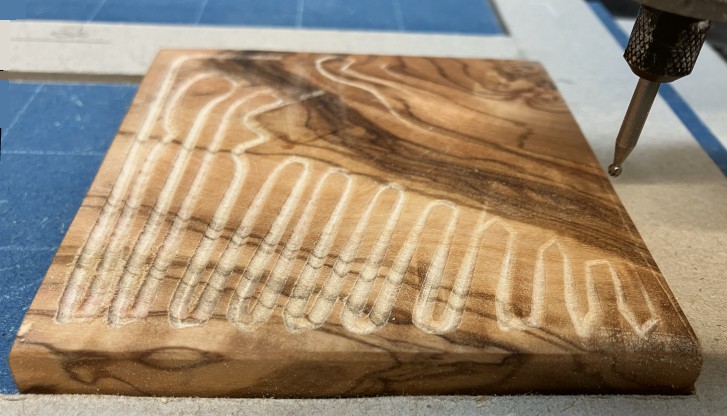
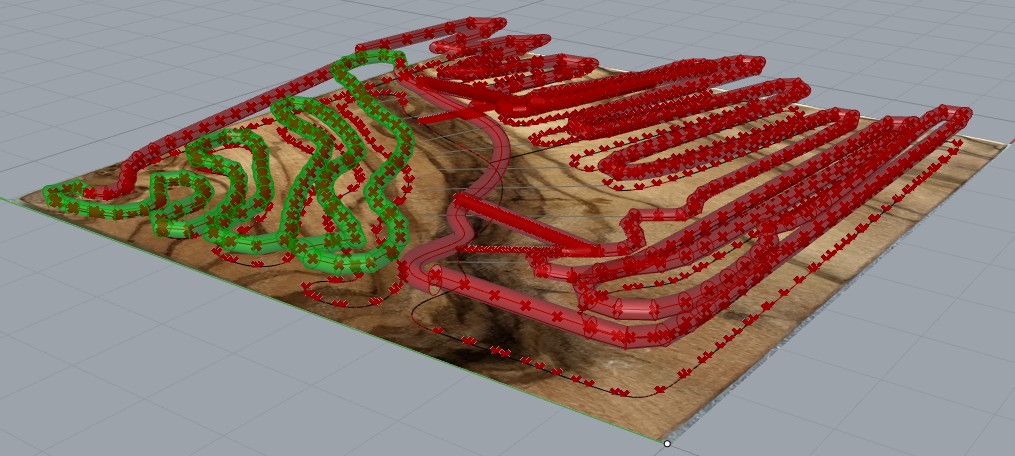
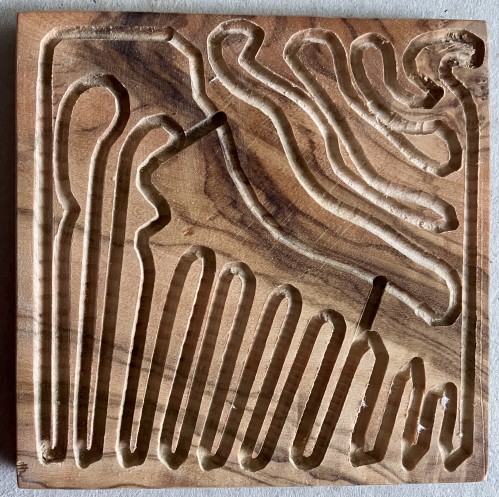
EXPERIMENTATION - 2024, with Eric Duong, Eleni Skevaki & Maxence Grangeot. Engraving into olive wood plaques using a robot holding a small wood mill. Choice of path, different mill types, speed, and depth/engraving by robot, followed by hand-finishing.

B. The Hand and the Mouse / CNPA
Parametric software Topsolid.
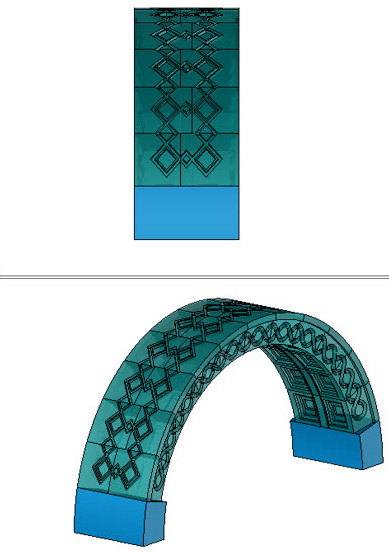
MODELING EXERCISE - 2015, a 22 voussoir arch project with ornamental variations, intrados, extrados, and cladding face.
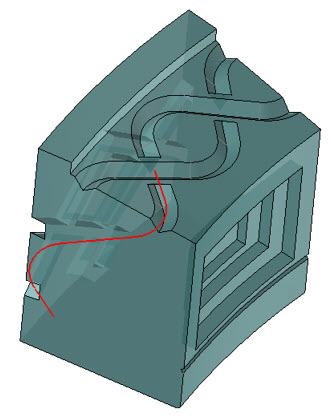
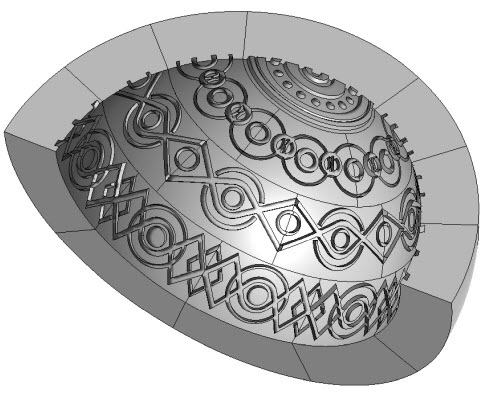
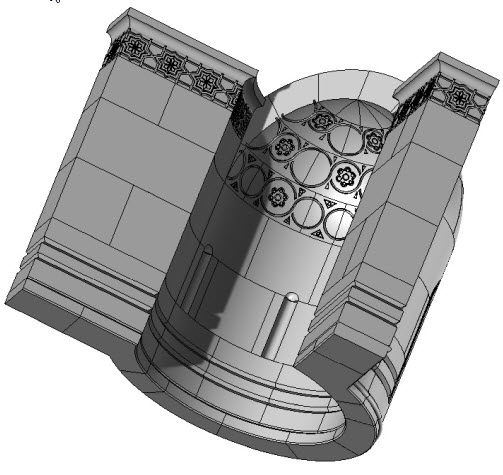
MODELING EXERCISE - 2016, Armenia project, exedra and dome with parametric ornaments.
C. The Hand and Drawing / Interim
Art of COLOR - STEREOTOMY
Pencil and brush / ink and wash, watercolor, vinyl paint.
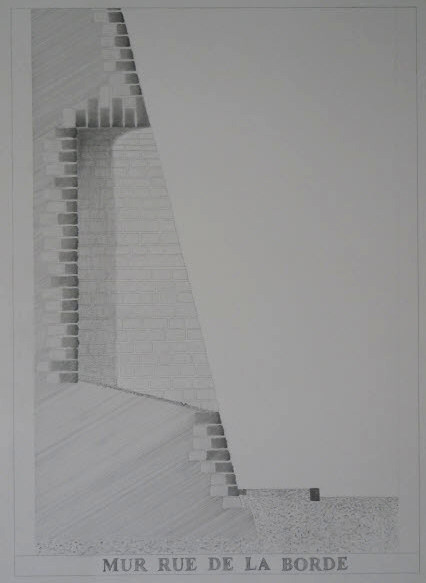
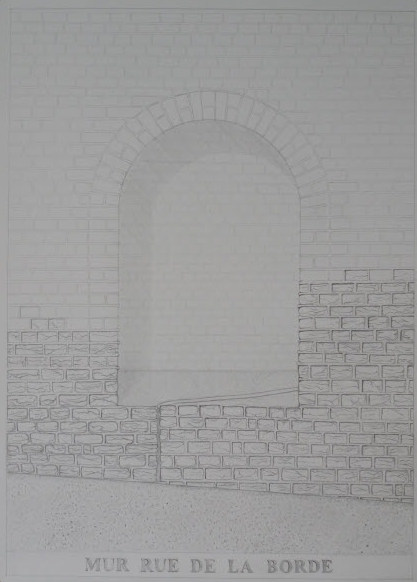
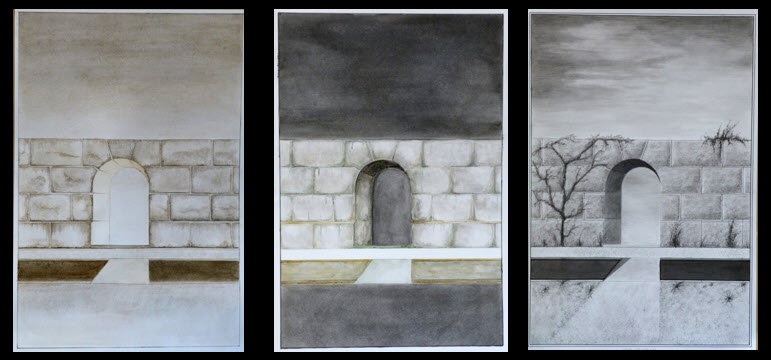
UE-ENAC 2009-10, retaining walls, city surveys in Lausanne (Rue de la Borde), graphite pencil on paper.
STEREOTOMY, EXERCISE - 2012, Chinese ink wash, brush on paper.
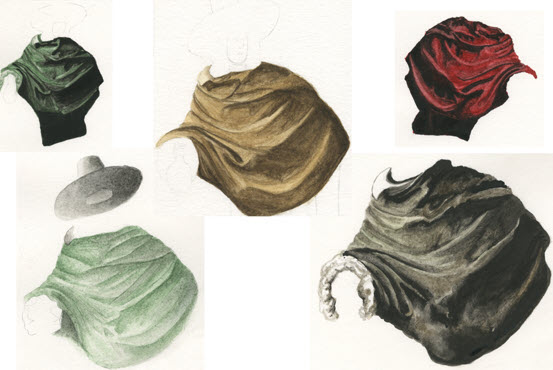
Art of COLOR, EXERCISE - 2013, study of draperies based on paintings by Vermeer. Pigments, gum arabic, and water for watercolor production, brush.
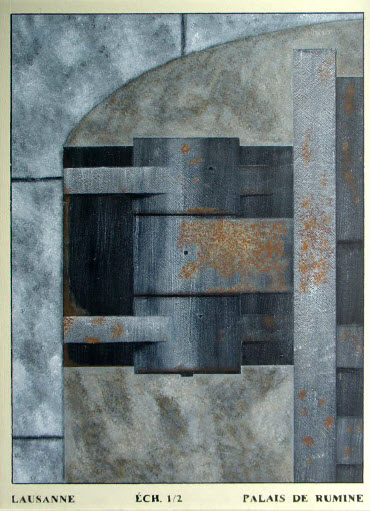
Art of COLOR, EXERCISE - 2010, surveys in Lausanne, Palais de Rumine. Vinyl paint on prepared cardboard, brush.
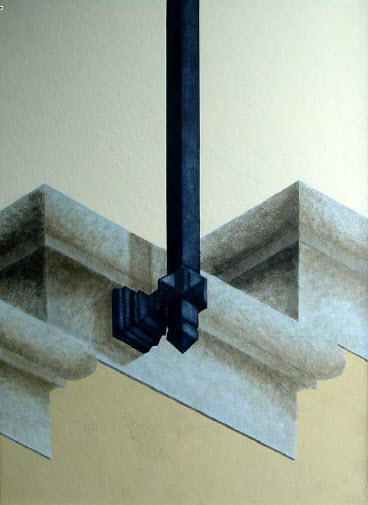
D. The Hand and the Tool
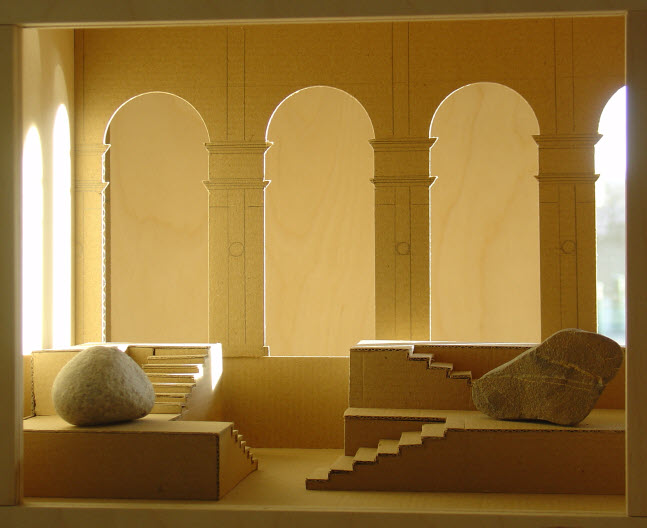
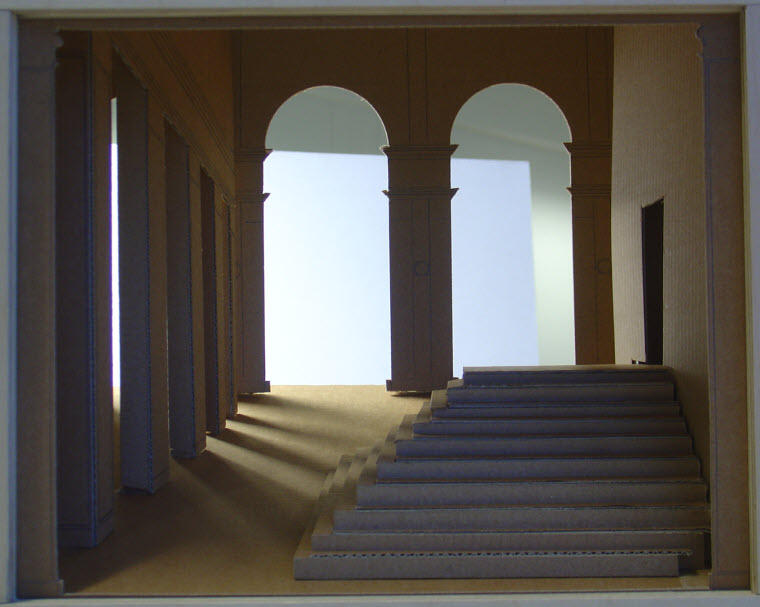
Art of COLOR, EXERCISE scenography - 2013, cardboard models with lighting. Inspiration from Adolphe Appia, Gordon Graig, Lucio Fanti.


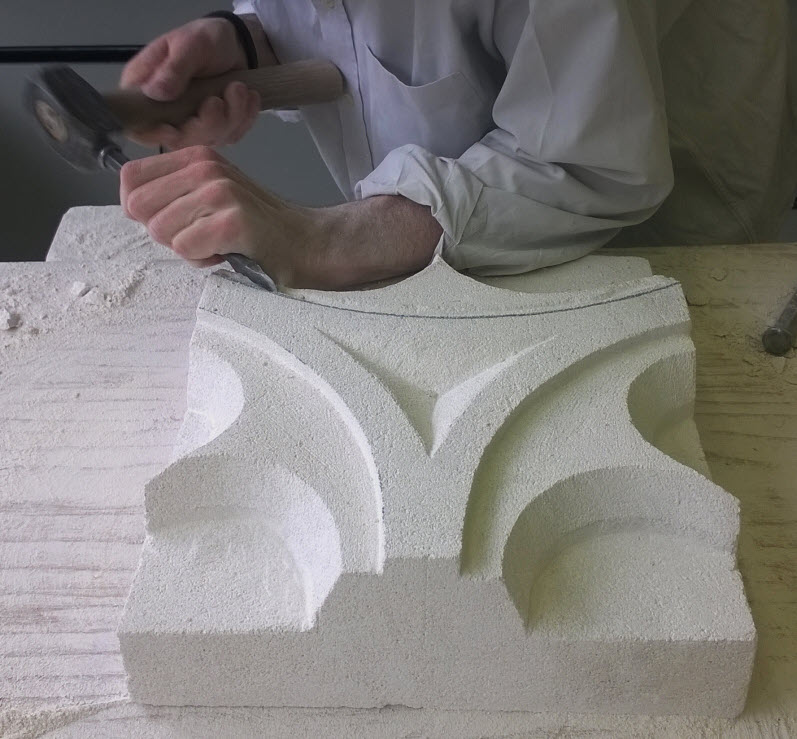
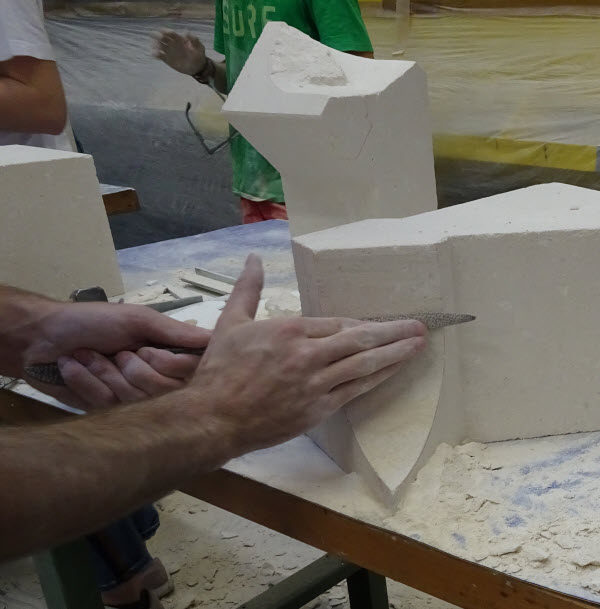
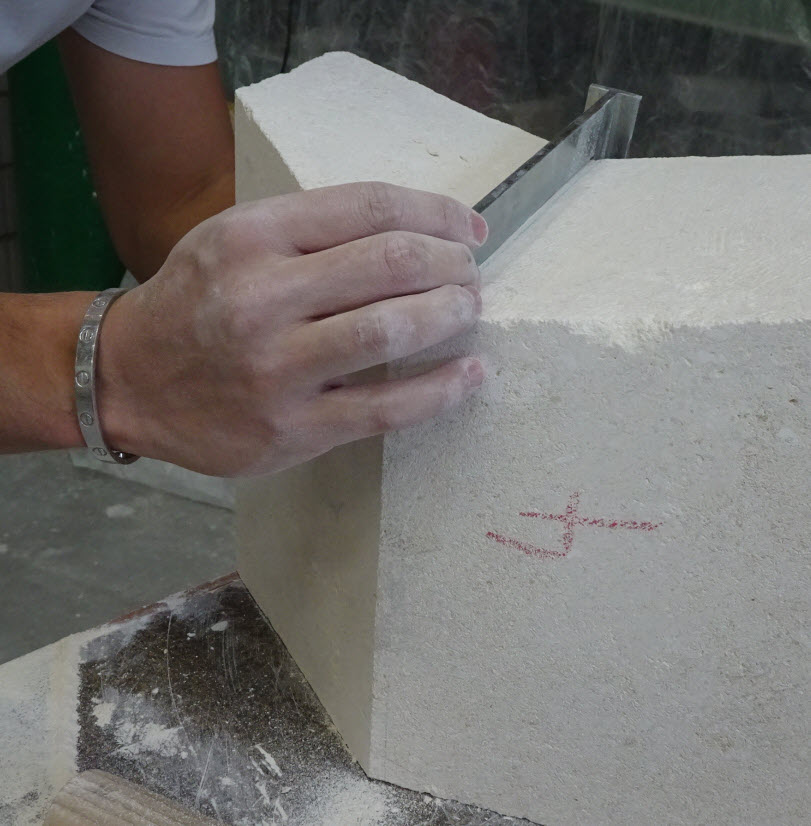
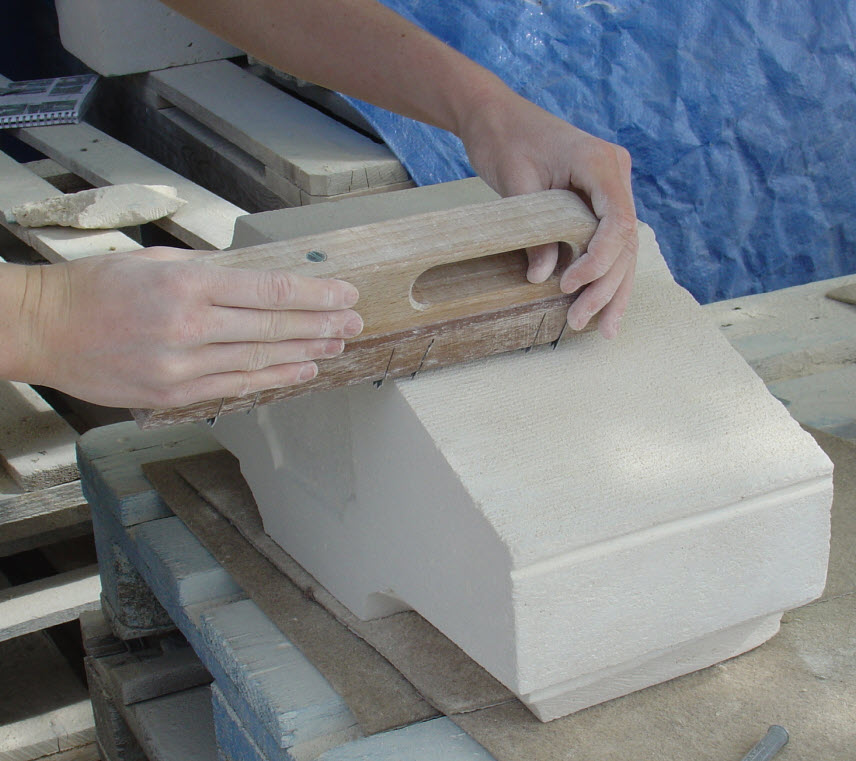
STEREOTOMY, EXERCISES in geometry and stone carving, rosettes - 2013, muqarnas - 2019, exedra, vaults, and ornaments, Armenia - 2016, with hammer and chisel, rasp, square, railway, etc.
ONGOING RESEARCH
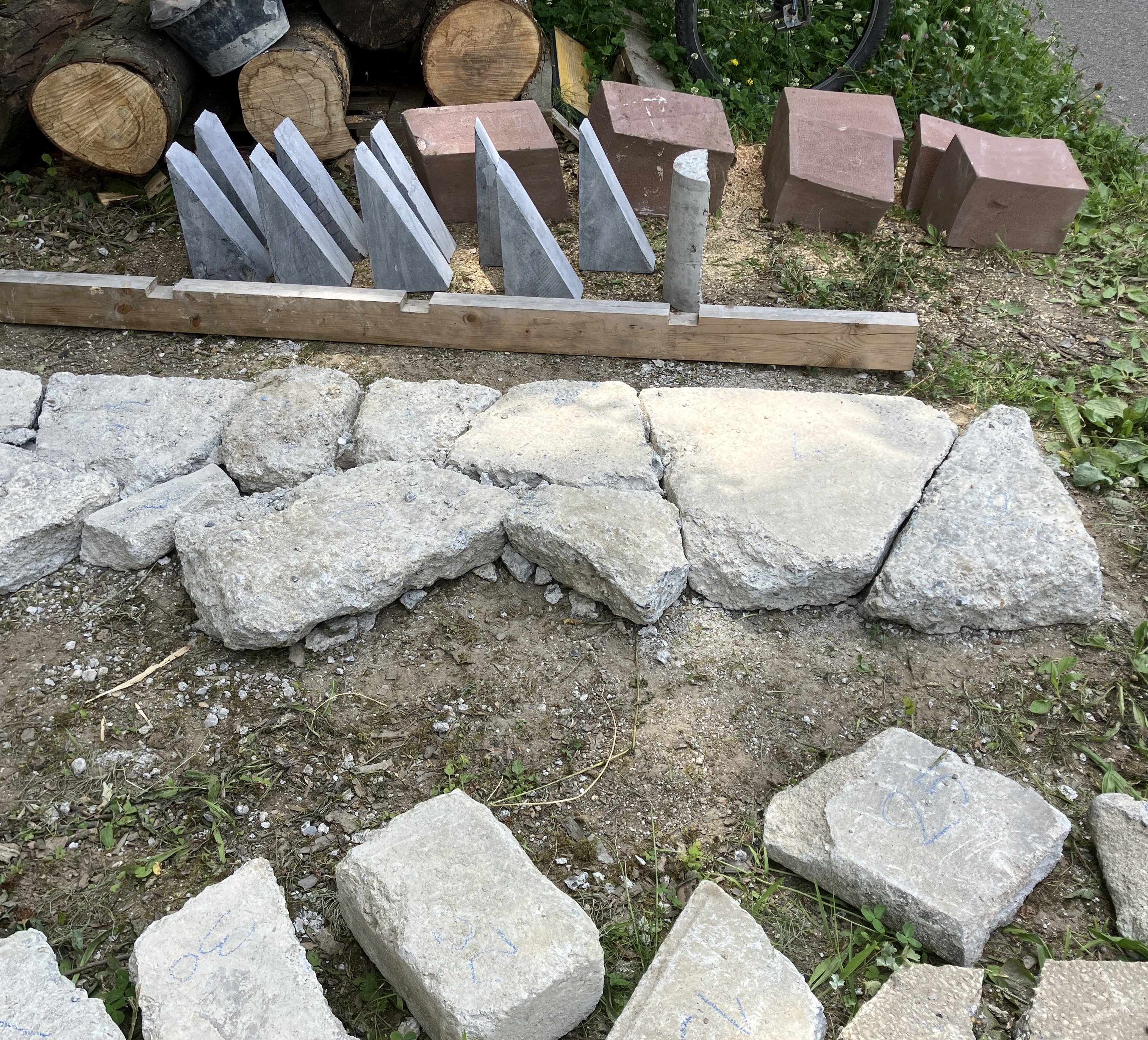
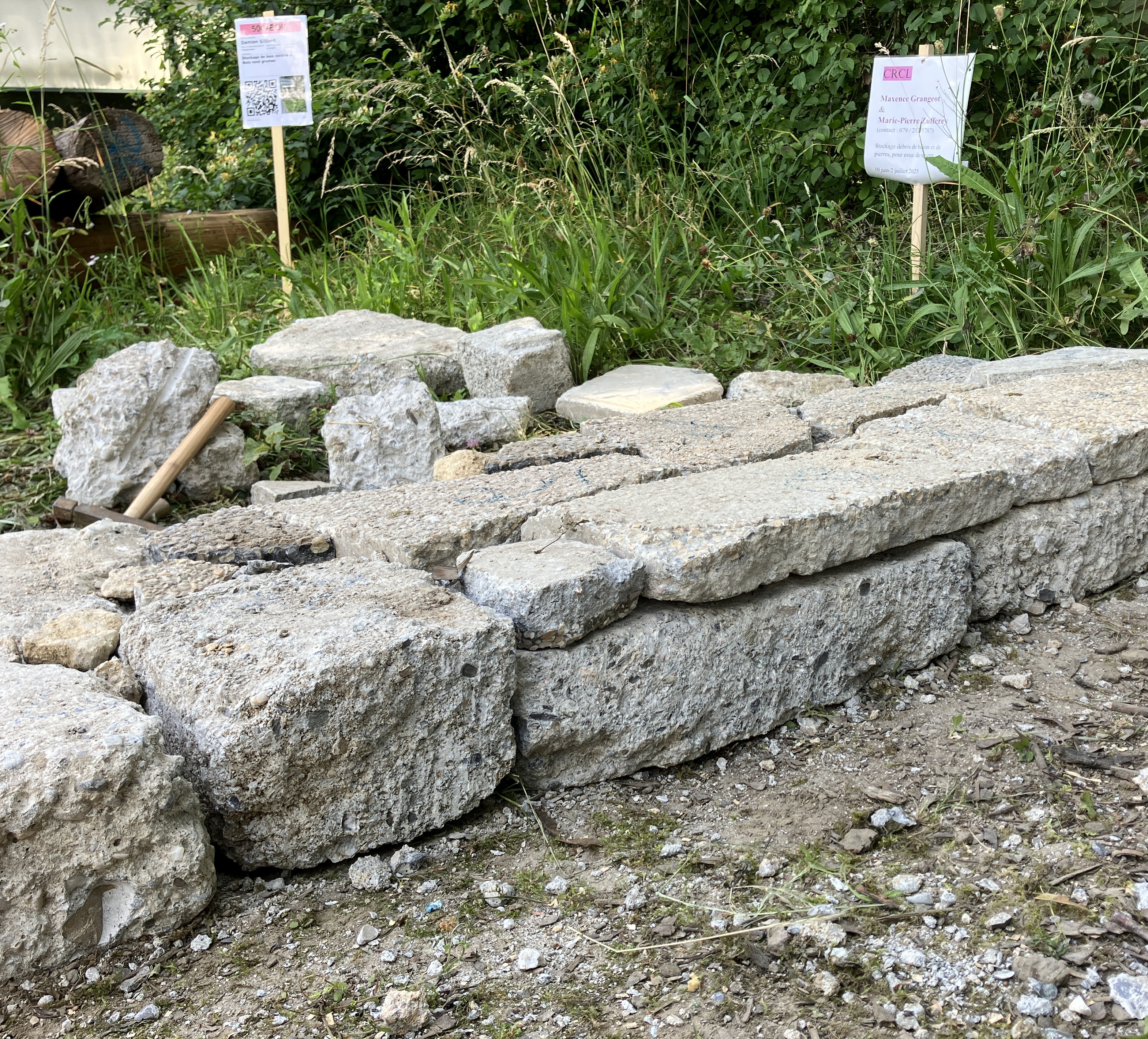
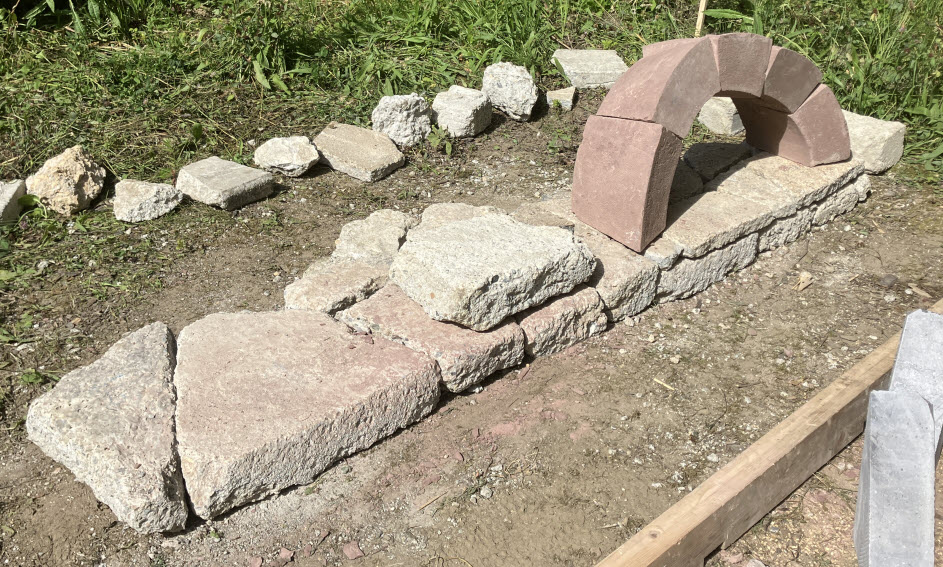
In line with the current thesis by Maxence Grangeot, research on the construction of a dry stone wall, a wall made from “concrete debris” incorporating “scraps” of carved stone, using both hand tools and contemporary tools: photography, image recognition software, Grasshopper transcription, 2D laser printing on cardboard, pre-assembly of stone blocks, and confrontation with reality.
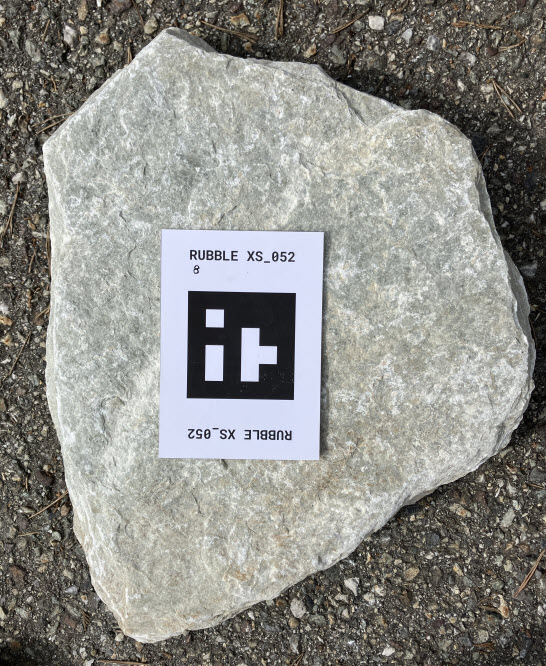
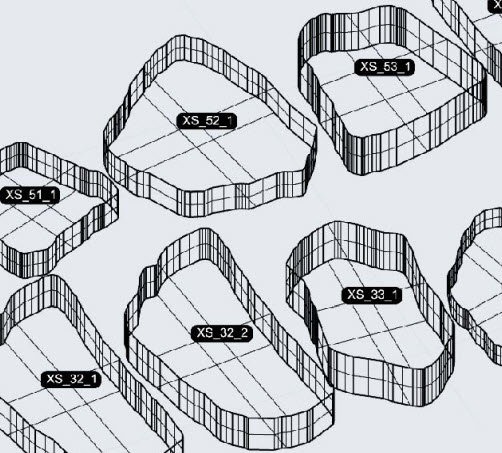
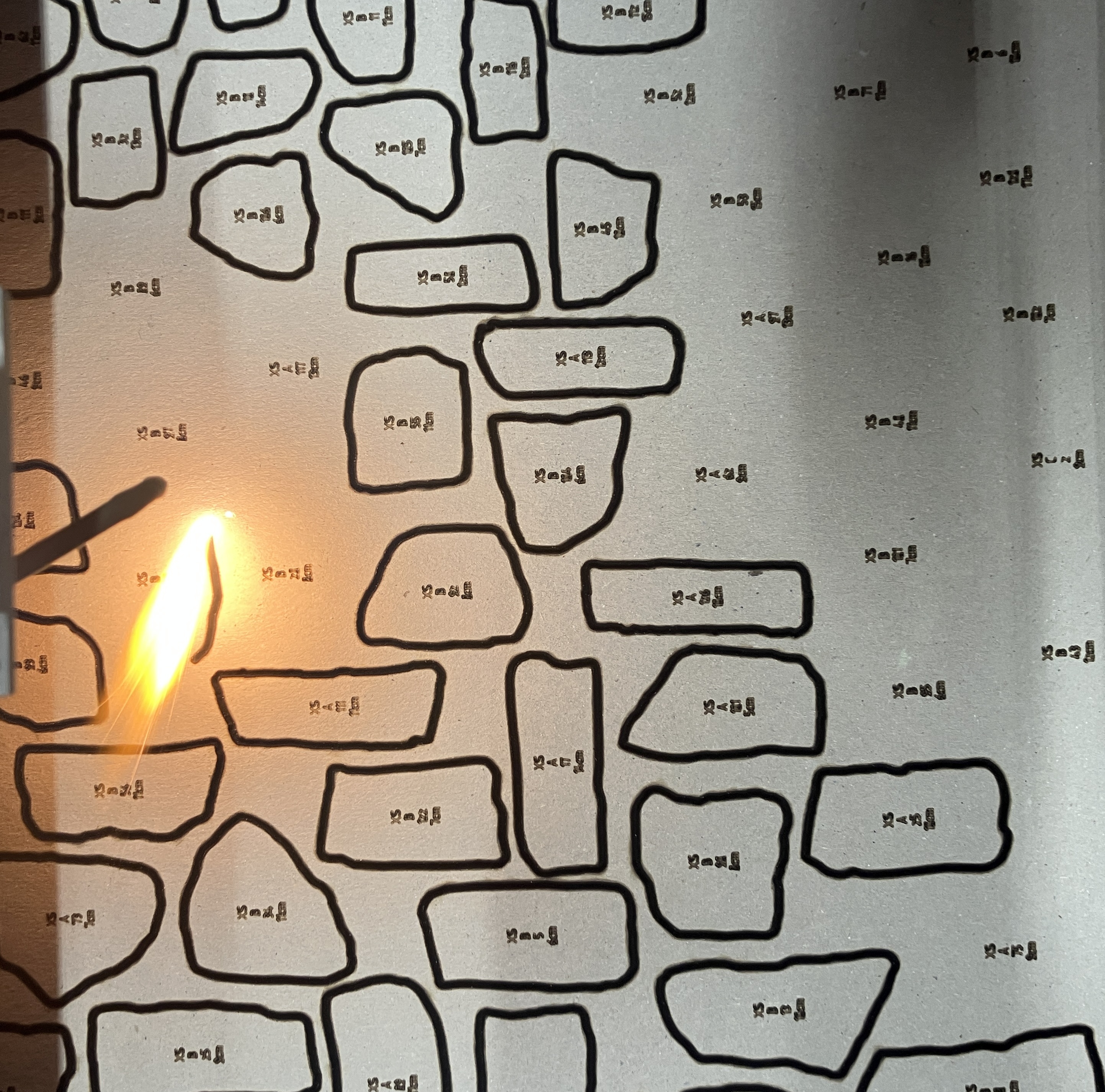
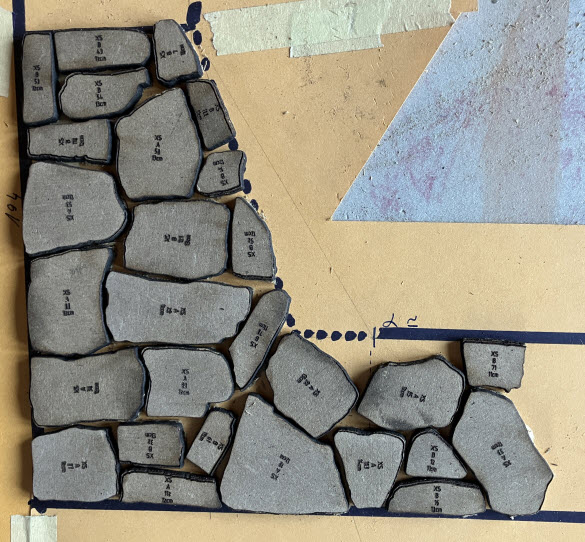
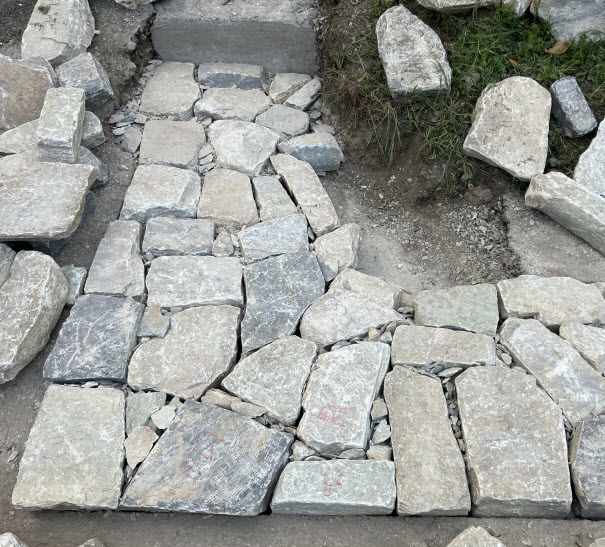
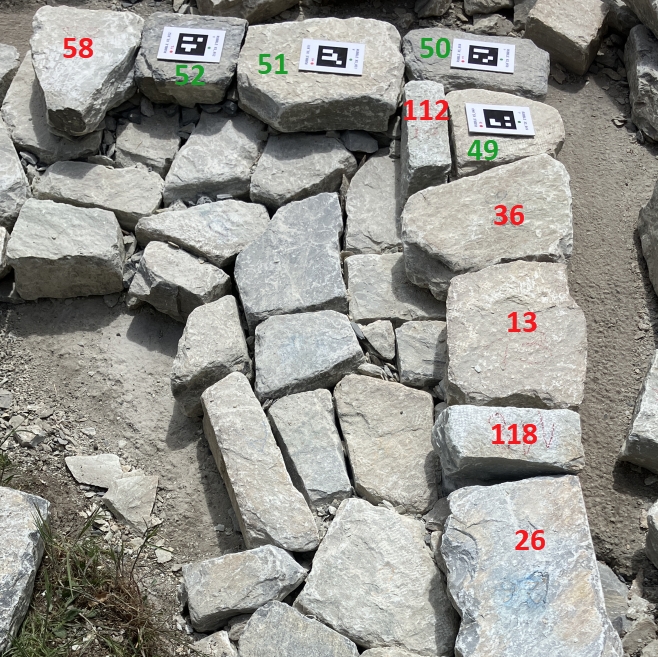
STEREOTOMY Exercise in progress, using concrete and stone scraps, aiming to construct a wall inspired by traditional dry stone walls—without any mortar, lime, or cement.
CONCLUSION
Recalling that robots, among other things, liberated women from domestic labor (washing machines, dishwashers…), we hope that the current development of destructive power (robots with military objectives) will be countered by more human and intelligent goals.
Thanks to the entire CRCL team and its stimulating research.
Thanks to the entire CRCL team
and its stimulating researches.
CREDITS
by Marie-Pierre Zufferey, in collaboration with Alberto Johnsson, Eleni Skevaki, Eric Duong, Maxence Grangeot, supervised by Prof. Stefana Parascho.
With the help of Pierre Lomazzi, sculptor, and Lionel Sofia, engineer, workshop manager at MXH, for stone carving.